
STRONG WITH IONA #47
Start your week with a powerful mindset, energy and motivation!
Conversations with Friends
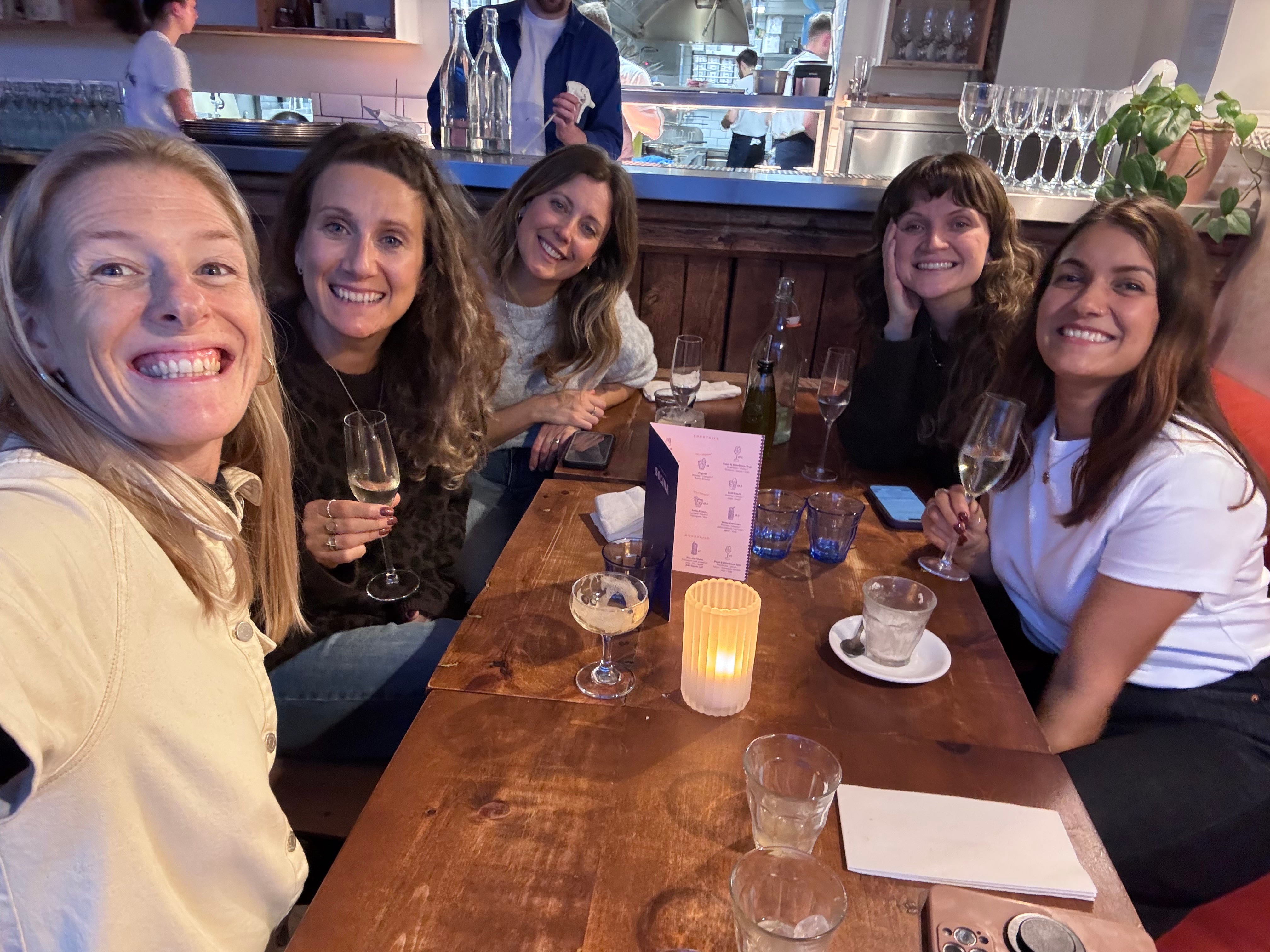
Two weeks in a row - look at that! I had been ruminating over writing about various topics this week - from privilege to the changing seasons to the importance of connection above all else. But as I sit and write this on the train home from a magical 24 hours with some of my oldest, closest friends, I have settled on this and feel that this would resonate with many, because my conversations this weekend were not anything new; they were open, honest, and raw in the way only conversations with friends like these are. But they reappear often. Through my work with clients, conversations with new friends, and women I coach at the gym, and through what I read online, these conversations need attention.
This weekend was not the first time in the last 6 months I have had conversations with friends and clients about the impact that changing hormones are having on their mental health. This issue is a serious one and very real. As women entering their 40s and the inevitable perimenopause/ menopause era approaching, these conversations are vital and, in my opinion, will equip us with the strength to tackle this next chapter and what it throws at us. But one thing has emerged through these conversations - that is the lack of support for women at this time, the lack of knowledge, understanding and emphasis being put on women’s health, the lack of expertise available and as a result the vague, contradictory, and sometimes quite frankly weak advice and guidance women are given at this time - let me explain further:
Reluctance to prescribe HRT - I’m not a hormone expert or a health care professional, but on more than one occasion, I have listened to women describe the physical impact of the drop in estrogen and the impact it is having on their mental health each month. From ‘I’m a completely different person’ to ‘I feel completely overwhelmed’ to ‘I am not nice to be around and it is impacting my relationship’ - these concerns are real. And despite not being a health care professional, as someone who works with many women navigating this stage of life, these changes are clearly associated with fluctuating and changing hormones and are not being addressed as such. Why are we living in a world where science is often being ignored, and instead women are being made to feel like they are ‘not coping’ or suffering from ‘overwhelm’
Women being ‘fobbed off’ with excuses or worse still not listened to or heard when discussing mental health concerns, clearly associated with hormonal changes. This links to the above, but when going to the GP and being offered antidepressants before other hormone-related solutions, I feel missing the point. Anti-depressants are vital for many people, and as someone who has faced their own challenges, mental health-wise, over the last decade, I believe they are something needed as a form of treatment and support that cannot be replaced by alternatives at times. However, offering this in a time where a woman is clearly experiencing a change in their physiology is, I believe, short-sighted and could often be down to the lack of knowledge, expertise, and prioritisation of women’s health.
These two issues emerging time and again in the conversations I am having, both in my friendship circles and my work, only reiterate my view that our way of thinking is based on reaction and not prevention - this issue transcends the health care system to women’s health, to youth crime, to social care. It’s a ‘wait for it to break and try and fix it’ approach, it’s a ‘quick wins’ approach to try and show impact rather than getting to the root of an issue and making systemic change to attempt to solve it. Before I launch into a ‘how I’m going to change the world’ spiel, I’m going to stop and share some advice for anyone reading this and thinking to themselves, That’s me!
Keep a journal and empower yourself to have conversations with healthcare professionals - record any mood changes and other symptoms you might be suffering from, no matter how small they seem, this will help you to build up a holistic picture of what you are experiencing, and in turn you will be better equipped to communicate this with others.
Exercise - I had to shoehorn this in somewhere, didn’t I! When talking to my mum about this topic over the years, she has shared with me that during her own journey, she was given advice from her GP to exercise, not be physically active, but exercise. Bearing in mind this was 30 years ago, and the advice is still the same, only the research, evidence, and validity of this have grown. Lifting weights, high-intensity training, and moving your body with intent help to prepare and prime the body for the physical stress it is under during these hormonal changes. But even if you forget the science, it boosts your mood, increases energy, and leaves you feeling better than you did before, so I would argue it’s a no-brainer. The notion of exercise being a ‘waste of time’ unless you can fit in an hour-long workout or gym session is simply not true - start with 10 minutes, 20 minutes, just move, and you will start feeling the benefits.
Supplementation isn’t the ‘magic cure’ - I’m keeping this one brief. As someone who takes a small number of supplements each day, I am by no means saying they don’t have their place. What I am saying is - be mindful. The supplement industry is worth an estimated £3.7 billion in 2024, and many companies are cashing in on the latest trends. In walk a myriad of supplements aimed at perimenopausal and menopausal women - from ashwaganda to collagen to lion’s mane and everything in between - of course, there are often small studies and pockets of research to support these supplements, and there is something to be said for the placebo effect. But if it was a toss-up between paying for a gym class or forking out £90 a month on a miracle supplement cure, you can probably guess which option I would choose from.
Friendships, connections, and talking - my ending on this one is deliberate. Above all else, we need to be women supporting women, we need to be having these conversations, we need to be hearing one another, listening deeply, and empowering each other to feel mentally and physically strong at this stage of our lives. Connection is key - reach out to that friend, share something that has helped you, check in, and reach out.
In a break from the pregnancy content, I hope you found this in some way useful and relatable, and I’d love you to share it with someone you think it may help, and don’t forget to reach out and share your feedback with me!
Have you loved reading this week’s issue? Want some more positivity, motivation, and energy to help you with your overall health and fitness? Check out the ways below you can work with me:
👩🏾🤝👩🏼 🤰🏻🏋️ 1:1 personal training/ coaching - fun, energising and motivating workouts tailored to your goals (including pre/ post-natal, strength training focus & run coaching)
🧠 coaching beyond the body - help me connect your body and mind and use this to make significant changes in your daily life. From mindset to motivation and beyond.
📒 personalised training plans - think motivation and support in structuring workouts, forming healthy habits, and smashing your goals (whatever they may be!)
🎥 filmed workouts personalised to you that you can do anywhere, anytime.
Get in touch here if you’d like to work with me